Answers to your Questions About Hospice Care

At HomeAide Home Care we specialize in caregiver services and provide non-medical support to our clients. However, our expert caregivers often support hospice care teams in helping make your loved one’s last days as comfortable as possible.

What Is Hospice Care?

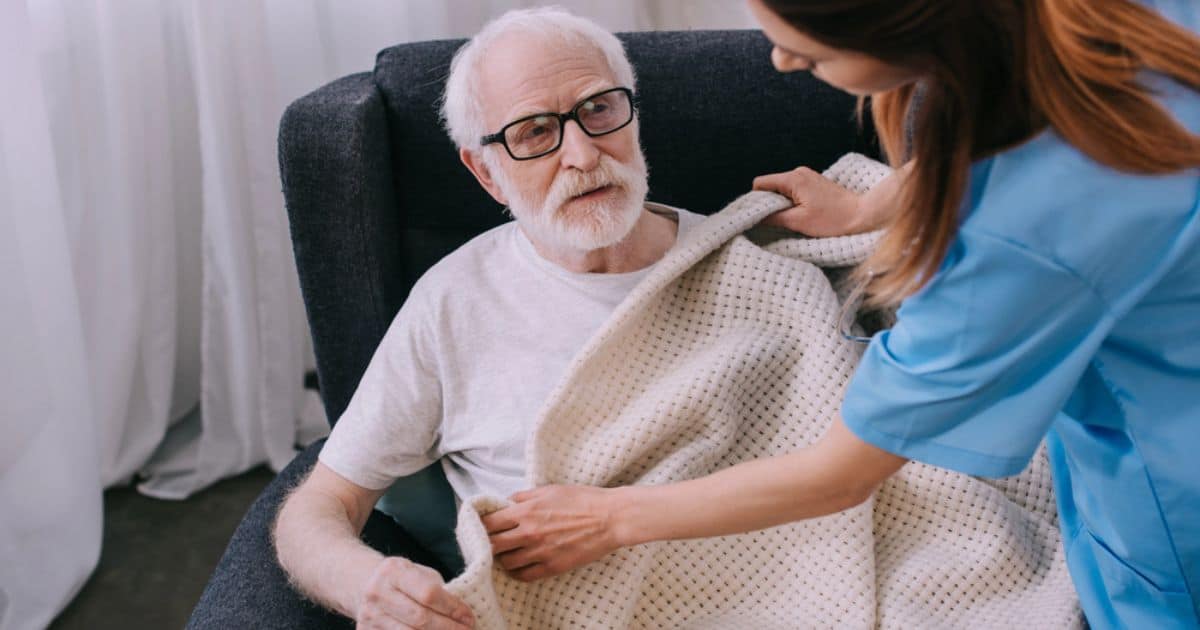
Hospice is a type of in-home or residential care for patients with life ending illnesses. Hospice care seeks to support the patient and family through this difficult time while keeping the patient comfortable and managing his or her pain. Hospice care is patient and family oriented and uses a different approach than traditional medical care. The goal of hospice care is to provide a pain free and dignified death while minimizing symptoms of illness. Hospice care does not try to extend or shorten life, but to make what is left of it pleasant and livable.

How Does a Patient Get Hospice Care?

Hospice care is designed or patients who have six months or less to live. A patient must be referred to hospice by a doctor for the care to be covered by insurance. Once a referral is made, most hospice programs are able to make contact with the patient and family and can begin to provide a full range of services.

Where is Hospice Provided?

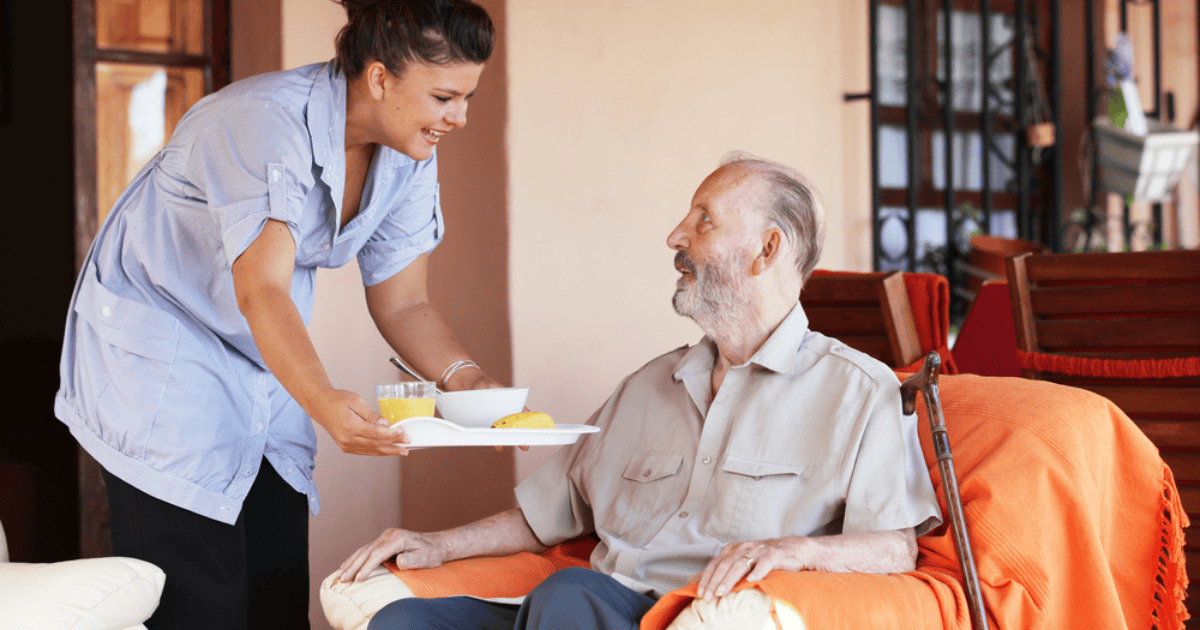
These types of programs where created to allow patients to live their last days at home, in comfort, with their family present. Specially trained hospice workers visit the home on a regular basis and immediate support and advice is always available by phone. Even though the care is based out of the home, hospice programs maintain relationships with hospitals so that a patient who needs temporary hospital care can be transferred to a hospital and then returned home while under hospice care.

All though hospice programs started out being mainly in the home, they have expanded and can usually provide care in a nursing home, hospital or other facility. Some hospices maintain their own residential facilities for patents that can’t be cared for at home.

Who is the Hospice Team?

Hospice works as a team to provide care. A family member is designated as the team leader and works with doctors, nurses, aides, therapists, counselors and other health care workers to provide well-rounded care and support. Hospice workers seek to care for the patient and the family as one unit. Hospice care does not end with the death of the patient. Bereavement counseling is provided for at least one year after the death. Hospice programs also offer respite care, allowing family caregivers free time, while the patient is cared for by other team members.

Hospice Care

Who Pays for Hospice Care?

Private insurance and Medicaid cover hospice care. Medicare offers some coverage. To be eligible for Medicare coverage, a patient must be certified as terminally ill with six or less months to live. A Medicare approved hospice program must provide care. The coverage includes medical staff care, medication, brief hospital stays, in home health aides, social workers and family therapists. While receiving hospice care, the patent cannot receive treatment for the disease.

Where Can I Get More Information?

Start with the National Hospice Foundation’s website at nationalhospicefoundation.org. There you’ll find information about programs, tips for caregivers and resources for dealing with end of life situations.

The National Hospice and Palliative Care Organization can be found at nhpco.org, and provides extensive articles and planning worksheets to help you make the best of your hospice care program.

Need Non-Medical Support from HomeAide Home Care?

Give us call at (510) 247-1200, we’ll be happy to discuss if our services are right for you and your loved ones.

How to Recognize Depression in Your Elderly Loved One

Unfortunately, depression is very common among the senior population. Of course for some, this has been a lifelong condition. For others, it has been brought on by medical conditions, lifestyle changes like retirement, numerous losses, the impending loss of independence, and the reflection of one’s own life meaning with the realization of imminent death.

These life issues would be enough to make anyone depressed. Given that our seniors are facing most if not all of these issues at once, it’s no wonder depression is so prominent. It’s important to know about depression in your elderly loved one’s life in order to give them the help they need. No one needs to feel bad at any stage of life.

senior depression

It isn’t normal to feel depressed all the time when you are a senior. In fact, most folks are satisfied with their life and reflection of their contributions to life. There are periods when feeling depressed is very normal, such as the loss of a spouse, friend, home, health or independence. These periods of sadness are a quite normal reaction to life circumstances.

In addition to normal life circumstances, chronic physical problems and medical conditions can cause depression beyond our feelings about the illness. Particularly cancer, diabetes and cardiac conditions can induce such symptoms. Certain medications can induce depression. If you notice a change after your loved one starts or changes a medication or dosing, immediately consult with the prescribing physician. If there is a family history of depression, the individual may be predisposed to it.

Depression is not a natural part of aging, although it is all too common. It is most common for seniors to experience depression around the winter holidays. Changes in weather can greatly impact mood in everyone, and with the dreary days of winter, it’s no wonder why seniors especially may feel blue. Holidays remind us of our losses, of friends and family. The lost of independence may limit visitation and participation in holiday events. Financial concerns may limit the opportunity to participate in celebrations. Overall weather, stress and losses make for a time of loneliness, separation and despair. Eventually, when the holidays pass, the mood may be restored.  If not, if a depressed mood persists, then an evaluation for clinical depression may be in order.

Many things can cause feelings of depression in seniors. Regardless of the cause, if such a mood continues for more than a few weeks and is associated with some of the following symptoms, it may be helpful to consult professional help to get some relief.

Symptoms of Clinical Depression

  • Persistent sadness
  • Social isolation
  • Angry outburst
  • Lack of expression
  • Withdrawal from normal activities
  • Thoughts of death or suicide
  • Lack of concentration
  • Weight loss or gain
  • Increased use of alcohol or prescription drugs for anxiety

If you notice these symptoms in your aging loved one, schedule an evaluation with their doctor. Offer them your compassion and comfort during this most vulnerable time. Depression can be treated, and your loved one can enjoy their life again.

Friendship Benefits Seniors in Every Way

Seniors Need FriendsTime spent with friends is never wasted. The companionship of friends is important to anyone at any age. The support and fun to be had from friendship is especially beneficial for senior citizens, but far too often, they are least likely to have these relationships. Seniors are often at risk of isolation. Finding common ground and shared interests is one of the best ways for the elderly to enjoy time with their friends.

Seniors can enjoy time with friends when they share an activity that both enjoy. Games such as cards, board games or even jigsaw puzzles are the perfect opportunity for chatting between turns and enjoying the company. Games for two or four can be fun and help challenge the elderly mind.

Taking classes together can also provide a way for seniors to enjoy time with friends. Many senior centers offer free or low cost painting or drawing classes, cooking classes and even dance classes. The opportunity to learn a new skill and spend time with peers is invaluable to senior citizens.

Seniors might find themselves with idle time on their hands; a wonderful way for them to get involved is by volunteering their time to help others. Becoming a pseudo-grandparent at schools and afterschool programs is a fulfilling way for seniors to spend an afternoon. In these programs children can benefit from seniors spending time reading to kids, helping with homework or mentoring young children who need a positive influence. Bridging the gap between generations will benefit both, and offer wonderful opportunities for all.

The elderly are often at risk of spending far too much time sedentary. Finding an exercise buddy can be a great benefit to both, as we all know that working out with a buddy makes it more fun and easier. Now that Medicare covers the cost of gym membership, seniors can encourage each other to spend time in the gym, or simply walking the track together and chatting. Any time spent moving, and with friends, is doubly valuable.

Seniors, more than any other age group, are most at risk of becoming withdrawn and isolated.  The simple of act of spending just a few hours with friends can do wonders to improve their overall attitude, and mental and physical health. By finding ways to enjoy the company of others, senior citizens will live a happier and healthier life. Friends really can make the golden years shine.

Everyday Tasks Can Pose a Challenge to Senior Citizens

Imagine the things that you do every day as a part of your normal routine. Getting dressed, showering, fixing meals and running errands – all of these are a part of your daily routine. But all of these can pose a very real challenge for the elderly. In virtually every area of day-to-day habits, senior citizens face dealing with difficulties.

Senior Live In Care

Image: partie traumatic, courtesy Flickr

A Day in Life of a Senior Citizen

Simply getting out of bed can be a challenge for the elderly. While most of us wake up refreshed and rested, ready to get up and face our day, seniors often awaken to stiff limbs and achy joints. Walking to the bathroom is a slow and often painful process.

Bathing poses special problems for seniors. The hazards of the bathroom are well documented. Stepping into and out of a wet tub remains the number one cause of injury from falls for senior citizens. This is one area where seniors often require the most help, but are the least likely to ask for it.

Anyone who has no trouble buttoning a blouse probably takes for granted how simple the task is for them.  For the elderly, buttons can be a huge frustration and a barrier to independence. Elderly women also struggle with bra clasps and zippers.  Even something as simple as tying a shoe can be a challenge for a senior citizen.

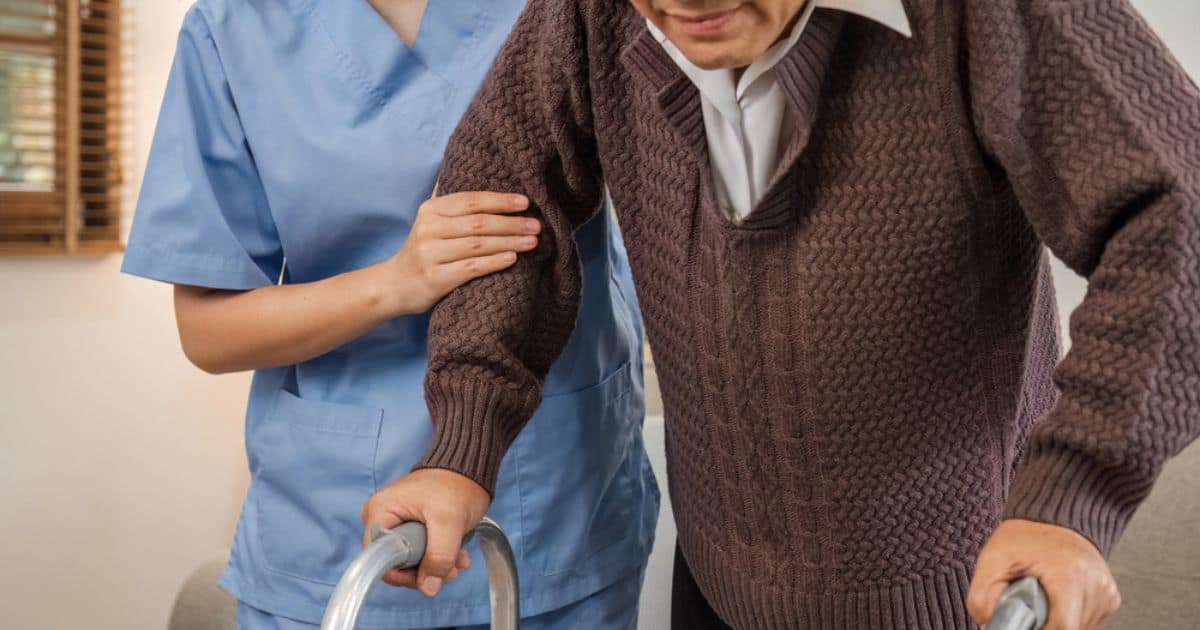
Mobility can be a concern for many elderly people, as walking up or down stairs can often be difficult. Senior citizens often suffer from a weakened grip due to arthritis or hand pain, and can have trouble with door handles and locks. Navigating between furniture when using a cane or a walker can also be frustrating and dangerous.

Cooking meals, washing laundry and normal household chores are far more difficult for the elderly. We often take for granted the simple act of taking the lid off a jar or lifting a heavy pan to the stove. For a senior, these can be daunting tasks that cause frustration and sometimes pain.  The dangers faced by a senior in the kitchen are second only to those in the bathroom.

Seniors face these challenges in their lives every single day. One of the biggest obstacles that a family can face when wanting to help a senior is the resistance they often have to asking for help. By being aware of these issues and helping find solutions to them, you can help your elderly family member live a safer, more independent lifestyle.

Is there someone in your life who needs help with day to day activities? We can help with live-in care, or just support a few hours a week.

Protecting the Elderly Online

Senior citizens are more active and involved than ever before. These days, the Golden Years are spent living much the same lifestyle that seniors enjoyed before retirement. Most seniors are now wired to the internet, and while this makes it easy to shop, stay in touch with family, and find information, it also opens them up to being victims of fraud. The elderly are especially vulnerable to Internet scams, as they tend to be more trusting and less informed. However, there are ways to help protect your parent or loved one.

A Senior on the Computer

Knowledge is Power

The number one way to help your elderly parent stay safe on the web is to educate them. While younger generations have grown up with the internet in our homes, our parents did not. They aren’t savvy about much of what goes on online. By pointing out the types of scams and fraud that they are likely to encounter on the web, you can educate your elderly parent and arm them with ways to avoid being taken advantage of by scammers.

Spend some time sitting at the computer with your parent. Visit snopes.com and show them how to use it to find the latest scams making their way around the net.  Show them examples of the fraud they’re most likely to see. Because seniors use email more than any other feature of being online, show them Nigerian scam emails, investment schemes, and lottery scams. Knowing about these common emails before they seem them in their inbox will help them know fraud when they see it.

Security Software

You can’t sit with your elderly parent every moment they’re online, but you can be sure that their computer is protected by security software.  Work with your parent to install software to protect their computer from viruses, spyware and other Internet bad guys.

Security software is classified into various types, but all are important. Be sure that you install antivirus, anti-spyware, anti-spam and firewalls. Each type focuses on a specific security threat. After installation, set the software to automatically update itself regularly.

The internet makes life easier for senior citizens, but it also makes them more vulnerable. By educating your elderly parents about internet safety you can help them protect themselves and their personal information from scammers and those intent on defrauding them out of their money.

The Benefits of Water Exercise

It is well documented that exercise is beneficial to a person’s health. This is also true when we reach our later years in life. As a matter of fact, the exercise benefits for the elderly are astounding. Most senior citizens will see benefits from some form of exercise, according to the American Academy of Family Physicians.

WaterAerobics

Water Exercise and Arthritis

One exercise in particular that can be beneficial is water aerobics or water walking. The beauty of working out in the water is that the water absorbs the pressure that would otherwise be disseminated to the joints. The exercise increases strength in the thighs, calves and arms and is highly recommended for people who suffer from arthritis.

Strengthen Your Heart!

For people with muscle problems, bone and join issues, performing water exercises regularly can lead to decreased pain as the muscles strengthen and are better able to support the body. In addition to strengthening joint and bone support, water aerobics also strengthens the most important muscle in our body – our heart!

A Natural Mood Lifter

Water exercise and exercise in general also has amazing psychological benefits as well. Exercise releases endorphins, which are the body’s “feel good” chemicals. These types of exercise classes are also a great way to get your loved one into a social situation.

It is never too late to introduce exercise into an elderly person’s regimen and when done sooner than later, all of these benefits can help your loved one maintain their independence longer. By being physically fit they will feel better physically and mentally. It’s really a win-win.

For more information on how water exercise can help those with arthritis please visit the Arthritis Foundation at www.arthritis.org. You can find a wealth of information on the different types of water exercise, as well as AF sponsored classes in your area.

Communicating Effectively with Your Home Caregiver

A professional home caregiver can be a saving grace for many families with an elderly resident. However, the road is not always easy and finding a balance that suits your loved one’s needs is sometimes an ongoing process. Professional home caregivers are well trained in various skills and accommodations that should help make the process a little easier. However, the key to making this process as smooth as possible is good communication.

Home Organization

In order to make your caregiver’s work as efficient as possible, always be sure that you have the items needed for your loved one’s ADL’s (Activities of Daily Living) fully stocked and easily accessible. This includes having clean sheets, towels and washcloths available, as well as their toiletries. Ask your home caregiver to please let you know if she is running low on any necessary supplies so that you can stay on top of the necessities.

Documentation and Paperwork

Leave a list of emergency numbers for your caregiver, including your loved one’s physician, and any other family numbers that would be necessary in case of an emergency. Also make sure your caregiver has a copy of the written care plan and medication schedule. Show the home caregiver where everything is so that there is no question that the medications will be given on time and as directed.

senior-woman-with-her-home-caregiver

Don’t Be Afraid to Speak Up

Caregivers are only as good as the directions they are given. If something is not being performed to your expectations, let them know right away and they will be happy to accommodate if it is within their allowed job duties to do so. It’s also important to let your caregiver know about any changes in your loved one’s health or demeanor. Your home caregiver needs to be appraised of any condition changes, good or bad, in order to remain on top of the situation.

Good communication with your caregiver can only lead to a better experience all around. Your loved one will receive better care. You will have the peace of mind that your loved one is being well cared for. In addition, your home caregiver will enjoy their work and be able to better care for the patient.

Five Things You Should Know About Arthritis

Arthritis is a painful disease that is an inflammation of the joints and has become one of the most common diseases in those over the age of 15. It has been proven that with early diagnosis the pain patients suffer from this disease can be better managed. Below are 5 things you should know about arthritis that can help you understand and perhaps manage the disease a little better.

Arthritis in Hands

  • There are many types of arthritis. Most people think that there are only two forms of arthritis, osteoarthritis and rheumatoid arthritis. While these may be the most commonly diagnosed, there are actually over 100 forms of the debilitating disease.
  • Arthritis can be treated, but it cannot be cured. Unfortunately, modern science has not come up with a way to cure arthritis just yet. There are, however, many ways to treat arthritis both holistically and medically. Consult with your physician about your options for mobility and pain management choices.
  • Arthritis is not just found in the elderly. Arthritis affects people of all ages and all walks of life; it is not a discriminatory disease. Juvenile arthritis is a form of arthritis found in children under the age of 18. Over  294,000 children are affected by this painful disease and there is no known cause.
  • Early diagnosis is the key to managing arthritis. There is significant evidence that finds that early diagnosis of rheumatoid arthritis leads to a better response to medications. Delaying assessment for the disease can lead to joint damage later on.
  • Living a healthy lifestyle can help you manage arthritis. Eating a healthy diet, avoiding tobacco products and alcohol and getting regular exercise are just a few of the lifestyle changes you can make to improve the management of arthritis. Getting enough vitamin C and keeping off the extra pounds that might produce stress on your joints are also beneficial.

Home Care for Seniors Can Be Better than Living in Assisted Facilities

Is a nursing home or in-home care better?As people get older it can sometimes become difficult for them to perform many of the daily tasks they used to do. Older adults have a higher risk for injury in the home than any other age group. Often, these adults are placed into living facilities designed to provide assistance when they need it. An alternative to choosing an assisted living facility is to use a home care service. There are several reasons why an in-home caregiver is better than an assisted living facility.

The Top Five Reasons why Home Care is Better than Assisted Living

Reason #1: The cost involved in hiring a caregiver vs relocating to a new dwelling.The units designed to provide care to their residents on a twenty-four hour basis are not rented for the same price as other apartments. These units charge anywhere from three thousand to seven thousand dollars a month depending on where they are located and what amenities are included. Home care can be scheduled around the needs of the individual, which greatly reduces the amount of money spent each month.

Reason #2: It is better to keep someone at home because they retain their sense of independence. People who feel they still have control over their surroundings are less likely to become depressed. Seniors who give up their homes often suffer from depression.

Reason #3: When people are in their own homes they can choose to invite friends over or socialize with family members without having restrictions. Assisted units have regulations their residents must adhere to when they move in, which can include the times they are allowed to entertain guests.

Reason #4: People who receive in-home care get personalized service. The type of care hired for in-home is often a nurse or nurse’s aid. This individual is hired to be there on a scheduled basis, which makes it easier for the senior they are providing care for to get to know them. Seniors are more responsive to people they know and feel comfortable with. The person providing the care also gets to know the adult on a one-to-one basis and can pick up on clues which can indicate something might be wrong.

Reason #5: Community involvement. Most older adults have set routines and know the people at their grocery store, bank and church. When they can remain in their own home, they are more likely to remain active in their community. An alert and active senior citizen is less likely to become ill than one who is not.

What Is Alzheimer’s Disease?

Alzheimer's DiseaseThe most common form of dementia is Alzheimer’s disease and it accounts for fifty to eighty percent of the reported cases each year. Dementia is a progressive illness that slowly becomes more profound and more noticeable as the years go by. There are three distinctive stages that an Alzheimer’s patient can experience beginning with mild, then moderate, and finally degenerating to severe. The symptoms of each stage are easily identifiable and although the disease is not curable, there are medications and treatments that have been proven to slow the process and lesson the severity of the symptoms.

The first signs that you or a loved one will experience are those that one would expect to see in an aging person. The early signs may include but are not limited to being unaware of their environment when in a familiar place, having difficulty when handling money or conducting business like paying bills. Some patients have a harder time performing everyday activities or may take longer to do things they used to do in a short time. Confusion is a symptom as well; sometimes a patient may misplace everyday items such as putting the iron in the freezer, or display lack of good judgment by dressing for warmth during the peak of summer. In the mild beginning stage, a loved one may show signs of personality change or sudden mood changes.

As the patient progresses to the moderate stage the symptoms of Alzheimer’s becomes increasingly more pronounced. The symptoms and signs to observe range from more acute memory loss and a greater amount of general confusion during situations that should be everyday and routine for them. It is at this stage that a patient suffering from dementia may exhibit difficulties recognizing family members or close friends. The individual may become complacent in regards to their personal hygiene and appearance as multi-stepped tasks become more difficult.  In this stage, the sufferer may repeat stories and favorite sayings or expressions more than usual. At this point combination therapy should be considered because studies have shown that a combination of two major medications have slowed or lessened the effects of moderate to severe Alzheimer’s.

If or when an Alzheimer’s patient reaches the severe stage, full-time care will be necessary. This can be the most difficult and heart-breaking point for friends and family to undergo because the patient will no longer have any sustainability as far as recognizing loved ones or themselves. There will be an inability to communicate either verbally or in writing, the patient will be sadly reduced to groaning, grunting, and moaning. The severe stage is also typically accompanied by a loss of bladder and bowel control, accidents become more frequent.

With the right combination of medication and therapy, Alzheimer’s disease can be treated but not cured. Combination therapy has been proven to slow the rate of decline in patients loosing thinking power, behavioral nuances, and functionality. It is important to maintain a constant vigilance over loved ones in order to catch the disease at a manageable stage while being careful not to misdiagnose the symptoms as general signs of aging.