
12 Signs Your Veteran Parent Needs Home Care (VA Benefits)
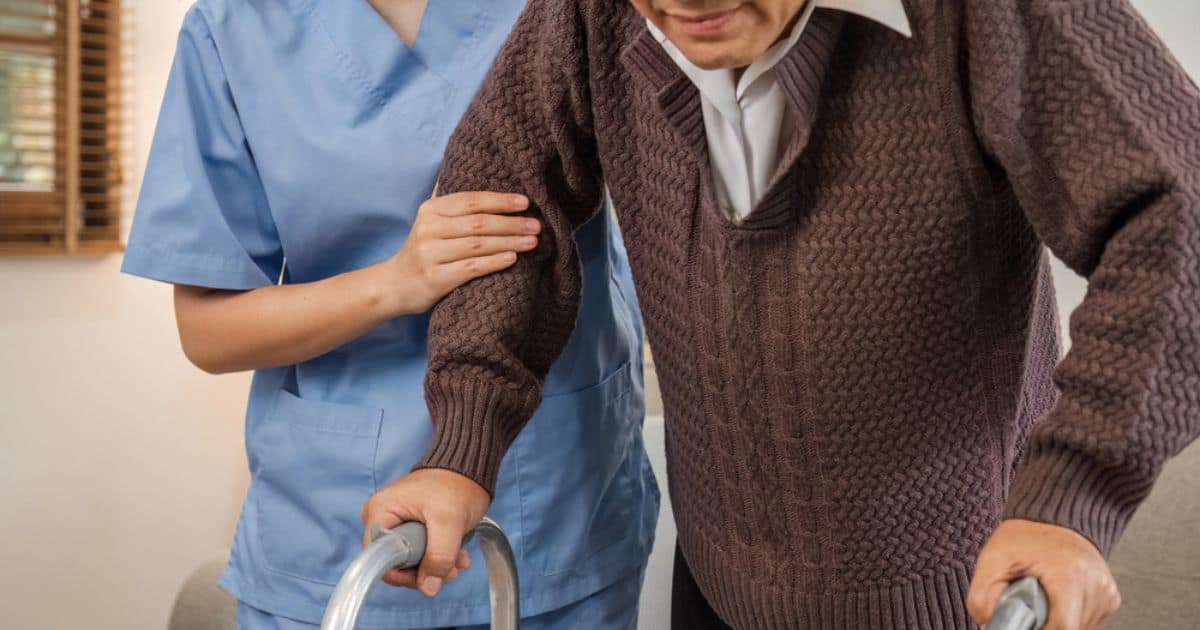
Watching a parent who served our country struggle with daily tasks is never easy. You notice small changes during visits: the house isn't as tidy, Dad's losing weight, Mom seems confused more often. But veterans are proud, independent people who rarely ask for help. Many spent years in service learning to push through pain and handle challenges on their own.
This independence makes it harder for families to recognize when their veteran parent truly needs support at home. You might hear, "I've handled worse than this in the service," or "I don't need anyone fussing over me." Meanwhile, safety concerns grow and health declines.
The good news? VA benefits, including the VA Aid & Attendance program, can make professional home care affordable or even free for eligible veterans and surviving spouses. Many Bay Area families don't realize their veteran parent has already earned these benefits through military service.
In this guide, we'll cover 12 clear signs your veteran parent may need home care services, what makes these signs different for military veterans, and how to access VA benefits that can pay for care. We've been serving Alameda County veteran families for over 25 years at HomeAide Home Care, and these are the signs we see most often when families call us for help.
If you're noticing any of these changes in your veteran parent, schedule a free assessment with our team at (510) 247-1200. We can evaluate your parent's needs and help determine VA benefits eligibility at no cost or obligation.
Understanding When Your Veteran Parent Needs Support
Military service instills values that last a lifetime: independence, resilience, and self-reliance. These same qualities that served your parent well in uniform can make it difficult to recognize when they need help at home.
Veterans often minimize their struggles. They've trained to overcome obstacles and may view asking for assistance as weakness.
This military mindset, combined with natural aging pride, means warning signs can go unnoticed until a crisis occurs (a fall, hospitalization, or emergency room visit). Understanding the difference between normal aging and decline requiring intervention is important.
Everyone slows down with age, but certain changes signal safety risks or health problems that need professional support. A veteran who struggles to bathe safely isn't just getting older. They're at serious risk for falls, the leading cause of injury-related death in older adults.
Early action leads to better outcomes. When families address care needs proactively, they have more options, better insurance coverage, and time to plan thoughtfully. Most importantly, early intervention helps your veteran parent stay home safely rather than facing institutional care.
Remember: accepting help isn't giving up. It's the practical, strategic decision your parent learned in military service. Home care supports independence by handling tasks that have become dangerous or overwhelming, allowing veterans to age in place with dignity.
Watch for Patterns, Not Just Individual Signs
A single missed shower or forgotten appointment might not signal crisis. But when you notice three or four signs together (poor nutrition, medication confusion, social withdrawal, and declining hygiene), it's time to take action. Veterans are skilled at hiding struggles, so multiple warning signs indicate a genuine need for support.
12 Signs Your Veteran Parent Needs Home Care
1. Difficulty with Personal Care and Hygiene
When a veteran who once took pride in their appearance starts neglecting grooming, it's often the first sign families notice. You might see your parent wearing the same clothes for days, skipping showers, or no longer maintaining the standards they held for decades.
Specific indicators include body odor, unbathed appearance, hair that hasn't been washed in weeks, dirty or stained clothing, and poor dental hygiene.
These aren't signs of laziness. They usually indicate physical challenges that make bathing and grooming difficult or unsafe.
The bathroom is one of the most dangerous rooms in any home, especially for older adults with mobility issues. Many veterans have service-connected disabilities affecting movement, strength, or balance. A shower that was routine five years ago may now seem impossible to manage safely.
Getting in and out of a bathtub becomes a fall risk when you have arthritis, neuropathy from diabetes, or old combat injuries that limit flexibility.
For veterans who spent careers maintaining military standards of appearance, the loss of this ability often triggers shame. They may hide the problem rather than ask for help with something as personal as bathing.
Professional caregivers trained in personal care can restore dignity while keeping your parent safe during these activities of daily living (ADLs), which include bathing, dressing, grooming, toileting, and eating.
2. Trouble Managing Multiple Medications
Finding duplicate pill bottles, missed doses, or confusion about which medications to take when are serious warning signs. If your veteran parent can't accurately explain their medication schedule, or you discover expired prescriptions mixed with current ones, medication management has become too complex.
Veterans often have complicated medication regimens. Many receive prescriptions from both VA medical centers and private physicians, creating coordination challenges.
Service-connected conditions (injuries or illnesses caused or worsened by military service) frequently require multiple medications. A veteran managing diabetes, high blood pressure, arthritis, and PTSD might take 10 or more medications daily.
This situation, called polypharmacy, increases risks dramatically. Taking medications at the wrong times, in wrong doses, or missing doses entirely can lead to hospitalization, serious health complications, or even death.
Blood pressure medication taken incorrectly can cause dangerous spikes. Diabetes medication errors can trigger medical emergencies.
The VA pharmacy system adds another layer of complexity. Veterans may receive 90-day mail-order prescriptions from the VA while also getting medications from local pharmacies for conditions treated by private doctors. Keeping track of refill schedules, understanding drug interactions, and remembering which pills to take becomes overwhelming.
Home care providers offer medication reminders to help veterans take prescriptions correctly and on schedule. This simple service prevents serious medical problems and helps complex medication regimens work as doctors intended.
Medication Errors Can Be Life-Threatening
If you find duplicate pill bottles, expired medications mixed with current prescriptions, or your parent can't explain their medication schedule, don't wait. Medication errors cause thousands of hospitalizations annually. Contact their doctor immediately and consider implementing professional medication reminders through home care services.
3. Memory Loss and Increasing Confusion
Memory changes can range from forgetting appointments to getting lost in familiar neighborhoods. You might notice your veteran parent asking the same questions repeatedly, struggling to remember recent conversations, or showing confusion about time and place.
This sign requires careful evaluation in veteran populations. PTSD (Post-Traumatic Stress Disorder) and dementia can both cause memory problems, but they're different conditions requiring different approaches.
PTSD might cause trauma-related memory gaps or concentration difficulties, while dementia involves progressive cognitive decline affecting multiple mental functions.
Some veterans experience increased confusion at night, called sundowning, where they become disoriented, agitated, or anxious as evening approaches. This can trigger combat memories or nighttime hypervigilance from military service, compounding the problem.
Not all memory loss indicates dementia. Medication side effects, depression, vitamin deficiencies, thyroid problems, and even dehydration can cause cognitive symptoms. That's why medical evaluation is important when you notice memory changes. Talk to your parent's doctor about specific concerns.
For veterans diagnosed with dementia or Alzheimer's disease, HomeAide participates in the Medicare GUIDE program, which provides specialized dementia support services at no cost to eligible Medicare beneficiaries. Professional caregivers trained in dementia care can provide structure, routine, and safety that help manage cognitive decline while keeping your parent comfortable at home.
4. Changes in Mobility and Increased Fall Risk
Watch for subtle mobility changes: shuffling steps instead of a normal gait, using furniture or walls for balance, difficulty rising from chairs, trouble with stairs, or unexplained bruises that suggest unreported falls.
Falls are the number one reason older adults visit emergency rooms. For veterans with service-connected mobility issues, fall risk increases significantly.
Old combat injuries often worsen with age. A knee injury from the 1970s becomes severe arthritis now. Back problems from carrying heavy equipment for years cause balance problems today.
Veterans with limb loss or prosthetic devices face additional challenges as strength and balance decline with age. What worked for decades might suddenly become difficult to manage safely.
Neuropathy (nerve damage) from diabetes, Agent Orange exposure, or other service-related conditions affects sensation in feet, making balance harder to maintain.
Many veterans resist using walkers, canes, or other mobility aids because they represent visible dependence. They might attempt tasks beyond their current abilities to prove they're still capable. This combination of declining physical function and reluctance to accept limitations creates dangerous situations.
Home care providers can assist with transfers (getting in and out of bed, chairs, or the car), provide stability during walking, help with stairs, and make sure your parent uses mobility aids correctly. This support dramatically reduces fall risk while preserving the independence to move around safely at home.
The Real Cost of Falls in Older Adults
According to the CDC, one in four adults over 65 falls each year, and falls are the leading cause of injury-related death in this age group. For veterans with service-connected mobility issues, the risk is even higher. Professional caregivers can reduce fall risk by 30-40% through transfer assistance and mobility support.
5. Poor Nutrition and Significant Weight Changes
Noticeable weight loss, an empty or poorly stocked refrigerator, expired food items, reliance on processed or frozen meals, or signs your parent is skipping meals all indicate nutrition problems that can seriously affect health.
Depression is common among veterans and significantly impacts appetite. Losing a spouse who handled meal preparation leaves many veterans without cooking skills or motivation to prepare nutritious meals.
Physical limitations can make grocery shopping, standing at the stove, or even opening jars and cans difficult or impossible.
Poor nutrition accelerates health decline. Weight loss weakens the immune system, reduces muscle mass (increasing fall risk), slows healing, and worsens existing conditions.
Veterans managing diabetes, heart disease, or other chronic conditions need proper nutrition to maintain health, but they're often the ones least able to manage meal preparation.
Some veterans develop difficulty swallowing (dysphagia) from neurological conditions or stroke, making eating challenging and potentially dangerous. Others simply lose interest in food due to medication side effects, dental problems, or diminished taste and smell.
Professional caregivers can handle grocery shopping, prepare nutritious meals suited to your parent's dietary needs and preferences, assist with eating if needed, and make sure they stay hydrated throughout the day. This support maintains the nutrition necessary for health and quality of life.
6. Neglected Home Maintenance and Cleanliness
For veterans who maintained spotless homes for decades, visible household decline is particularly significant. Dirty dishes piling up in the sink, overflowing trash, laundry not getting done, unpaid bills scattered around, and lawn or yard maintenance neglected all signal that household management has become overwhelming.
Military service instills pride in maintaining high standards. Many veterans kept immaculate homes, handled all repairs themselves, and managed household tasks efficiently.
When you see this changing, it reflects serious decline in physical ability or cognitive function, not laziness or lack of caring.
Shame often accompanies this decline. Your veteran parent likely notices the deterioration but feels powerless to address it. They may try to hide the problem during your visits or make excuses.
Physical limitations from arthritis, back pain, or reduced stamina make vacuuming, cleaning bathrooms, or taking out trash genuinely difficult or impossible.
Beyond appearance concerns, neglected home maintenance creates safety hazards. Clutter increases fall risk. Spoiled food causes foodborne illness. Pest problems develop. Unpaid bills can result in utility shutoffs or financial problems.
Home care services include light housekeeping, laundry, organizing, and maintaining a clean, safe living environment. Many veterans feel enormous relief when professional help restores order without judgment, allowing them to live comfortably in their own homes again.
7. Social Withdrawal and Isolation
Isolation is a serious concern for aging veterans. Warning signs include stopping attendance at VFW (Veterans of Foreign Wars) or American Legion posts, no longer seeing friends, not answering the phone, declining invitations to family gatherings, and spending most time alone.
PTSD can drive isolation, particularly in combat veterans. The condition causes hypervigilance, avoidance of crowds, and difficulty with social situations.
Depression, also more common in veteran populations, saps energy and motivation for social connection. As fellow veterans from their era pass away, your parent loses people who shared their military experiences and understood their service.
Many veterans lose their spouse, who was their primary social connection. Without that partner, they struggle to maintain friendships or community involvement.
Mobility problems and driving concerns can make leaving home difficult, especially in areas with limited public transportation like much of Alameda County.
Social isolation significantly accelerates cognitive decline. Research shows older adults who lack regular social interaction develop dementia at higher rates. Isolation also worsens depression, increases physical health problems, and raises mortality risk.
Companion care specifically addresses isolation. Professional caregivers provide regular social interaction, accompany veterans to appointments or activities, facilitate phone or video calls with family, and help maintain connections to veteran organizations and community. This regular human contact makes a meaningful difference in mental and physical health.
8. Signs of Depression, Anxiety, or Mood Changes
Personality and mood changes often indicate mental health struggles. Watch for increased irritability, expressions of hopelessness, unusual agitation or anxiety, loss of interest in hobbies or activities they once enjoyed, or significant changes in sleep patterns.
Veterans experience depression and anxiety at higher rates than the general population. Combat trauma, survivor's guilt, chronic pain from service-connected disabilities, and losses associated with aging all contribute.
Undiagnosed or undertreated PTSD can worsen over time, particularly as cognitive changes reduce coping abilities developed over decades.
Some veterans experience anniversary reactions, where specific dates trigger intense emotions connected to combat trauma. You might notice mood changes around deployment dates or times connected to difficult military experiences.
For Korean War or Vietnam veterans, historical events or news coverage can trigger unexpected emotional responses.
Mental health problems in older veterans sometimes go unrecognized because symptoms are attributed to "normal aging" or dismissed as personality quirks. Family members might not realize that increased anger, withdrawal, or sadness represents treatable conditions.
Talk to your parent's doctor or VA mental health services about significant mood changes. The VA offers mental health care, and many veterans respond well to treatment.
Home care providers can monitor mood, provide emotional support, encourage participation in activities, and alert family members to concerning changes requiring professional mental health intervention.
9. Increased Confusion After Dark (Sundowning)
Sundowning describes increased confusion, agitation, or anxiety that begins in late afternoon or evening and continues through the night. You might notice your parent becoming disoriented as the sun sets, experiencing nighttime wandering, showing unusual evening irritability, or having difficulty distinguishing dreams from reality.
This condition is common in people with dementia or Alzheimer's disease, but it affects veterans differently because darkness can trigger combat memories.
Nighttime was often when attacks occurred, when hypervigilance was necessary for survival. These deeply ingrained responses don't fade with age. As cognitive function declines, your veteran parent may struggle to distinguish between past threats and present safety.
Nightmares related to PTSD often worsen with age and cognitive decline. Your parent might wake disoriented, not immediately recognizing where they are or understanding they're safe at home.
This creates safety concerns, particularly if they wander outside or attempt tasks while confused.
Sundowning poses serious safety risks. Veterans may try to leave the house, thinking they need to report for duty or check the perimeter. They might attempt to cook or use tools while confused, creating fire hazards. Falls increase at night when lighting is poor and balance is already compromised by disorientation.
Overnight or evening care can keep your parent safe during these vulnerable hours. Caregivers maintain routine, provide reassurance, prevent wandering, and create a calm environment that reduces agitation. For families, knowing someone is with your parent overnight brings enormous peace of mind.
10. Difficulty Managing Finances
Financial management problems include unpaid bills despite adequate funds, bounced checks or overdrawn accounts, falling victim to scams or telemarketer schemes, giving money to questionable organizations, or confusion about bank accounts and finances.
Unfortunately, veterans are specifically targeted by scammers who pose as VA representatives, promise to "unlock" VA benefits for upfront fees, or use military service to build false trust.
Cognitive decline makes older veterans particularly vulnerable to these schemes. They may not remember previous calls from the same scammer or recognize inconsistencies in stories.
Early dementia often first appears as difficulty managing finances. The complex thinking required for budgeting, bill paying, and financial planning breaks down before more obvious memory problems emerge.
A veteran who successfully managed household finances for 50 years might suddenly struggle to balance a checkbook or remember to pay utilities.
Financial problems create serious consequences: utility shutoffs, eviction threats, damaged credit, depleted savings, or bankruptcy. They also indicate cognitive decline requiring medical evaluation and protective intervention.
Family members should consider taking over bill paying, setting up automatic payments for recurring expenses, monitoring bank accounts for unusual activity, and limiting access to large sums that could be lost to scams.
Home care providers can help by organizing mail, identifying bills that need attention, and alerting family to potential problems.
11. Safety Concerns in the Home
Critical safety concerns include burn marks on pots or pans, leaving the stove or oven on, unsafe use of tools or equipment, forgetting to lock doors at night, spoiled food being kept in the refrigerator, or any signs that your parent can't safely manage their environment.
Many veterans have firearms in the home from military service or lifelong gun ownership. Safe storage becomes important when cognitive decline or depression develops.
Families must address this sensitively but directly, making sure weapons are secured properly to prevent accidents or access during mental health crises.
Veterans who spent careers working with tools may have well-equipped workshops. Power tools that were safely used for years become dangerous when reaction time slows, memory fails, or judgment declines.
Your parent might not recognize they can no longer safely operate equipment that was second nature for decades.
Overconfidence in abilities is common. Military training emphasized self-reliance and competence. Your veteran parent may genuinely believe they can still handle tasks that have become dangerous for them. They might climb ladders despite balance problems or attempt repairs beyond current capabilities.
A professional home safety assessment identifies hazards and recommends modifications: removing trip hazards, installing grab bars, improving lighting, checking smoke detectors, and making sure the home environment supports safe daily living.
Home care providers maintain household safety while respecting your parent's dignity and independence.
12. You or Other Family Caregivers Are Burned Out
Family caregiver exhaustion is a legitimate sign that professional help is needed. Indicators include your own physical or mental health declining from caregiving stress, a spouse (often also elderly or a veteran themselves) struggling to provide care, siblings arguing about your parent's needs, or feeling overwhelmed by the responsibility.
Many veteran spouses are the same age or older than the veteran. They may have their own health problems or mobility limitations.
Expecting an 80-year-old spouse to lift, bathe, or provide round-the-clock care for an 82-year-old veteran isn't realistic or safe. Both people's health suffers.
Adult children often live far from aging veteran parents. Military service frequently meant frequent moves, and children might have settled across the country. Distance makes it impossible to provide daily care, leaving families stressed about safety while trying to manage parents' needs remotely.
Some veterans refuse "outside help" from family pride or PTSD-related difficulty with strangers in their home. This leaves family caregivers trapped, providing care beyond their capacity without respite because their parent won't accept alternatives.
Caregiver burnout isn't selfishness. It's a medical reality with serious consequences.
Caregivers experience higher rates of depression, anxiety, chronic illness, and even mortality. You can't provide good care when you're physically and emotionally exhausted.
Professional home care provides respite, allowing family caregivers to rest, attend to their own health, maintain their jobs, and preserve their relationship with their veteran parent. Many veterans accept professional caregivers more readily than help from their children, preserving family dignity on both sides.
Recognized These Signs in Your Veteran Parent?
Get a free, no-obligation home care assessment from our nurse-owned team. We'll evaluate your parent's needs and help determine VA benefits eligibility.
Available 24/7 throughout Alameda County | Free Assessment | No Obligation
VA Aid and Attendance Benefits
Eligible veterans may receive up to $2,431 per month. Surviving spouses may receive up to $1,318 per month. These tax-free payments can cover professional home care services.
How VA Benefits Can Make Home Care Affordable
Many Bay Area veteran families don't realize comprehensive VA benefits can pay for home care services. If your parent served during wartime, they may qualify for programs that make professional care affordable or even free.
VA Aid & Attendance Benefit
The Aid & Attendance benefit is a pension enhancement for wartime veterans or surviving spouses who need assistance with activities of daily living (ADLs). This isn't a loan or debt. It's a monthly tax-free payment your parent earned through military service.
Eligibility requirements include:
- Wartime service (doesn't require combat, just service during a wartime period)
- Honorable discharge
- Limited income and assets (specific thresholds updated annually)
- Need for assistance with at least two ADLs (bathing, dressing, eating, toileting, transferring, or continence)
2025 VA Aid & Attendance Monthly Benefits
Eligible wartime veterans and surviving spouses can receive substantial monthly payments:
- Veteran alone: Up to $2,431 per month
- Veteran with spouse: Up to $2,889 per month
- Surviving spouse: Up to $1,564 per month
These tax-free payments can cover most or all home care costs for many Alameda County families.
HomeAide Home Care works directly with the VA Aid & Attendance program. We can bill these benefits, help you gather required documentation (including DD-214 military discharge papers and marriage certificates for surviving spouses), and provide a free consultation to determine eligibility during your home care assessment.
VA Homemaker and Home Health Aide Services
Veterans enrolled in VA healthcare may qualify for homemaker services or home health aide services provided through VA medical centers. This differs from private home care because it's arranged and managed through the Oakland VA Medical Center or other VA facilities.
Eligibility depends on your parent's VA priority group (based on service-connected disability percentage and income). Veterans with higher service-connected disability ratings generally qualify more easily.
Contact the Oakland VA Medical Center to inquire about these services and the application process.
Program of Comprehensive Assistance for Family Caregivers
This program serves post-9/11 veterans (September 11, 2001, or later) who have serious injuries or illnesses incurred or worsened during military service. It provides training, mental health services, travel expenses, access to health insurance, and a monthly stipend for family members providing care.
While this primarily benefits younger veterans and their family caregivers, it's important for Bay Area families with post-9/11 veteran loved ones to know these resources exist. The program recognizes that family caregivers make enormous sacrifices and deserve support.
Veteran-Directed Care Program
Some VA medical centers offer Veteran-Directed Care, a self-directed care model where the veteran receives a flexible budget to purchase services and supports, including hiring caregivers. This gives veterans more control over their care while still receiving VA financial support.
Availability varies by location. Contact the Oakland VA Medical Center to ask if this program is available to Alameda County veterans.
How HomeAide Works With VA Benefits
At HomeAide Home Care, we've served Bay Area veteran families for over 25 years. We understand VA benefits and can help navigate the system. During your free assessment, we'll:
- Evaluate your parent's care needs
- Review potential VA benefits eligibility
- Explain which programs might apply to your family's situation
- Help gather documentation required for applications
- Coordinate billing if your parent qualifies for VA Aid & Attendance
You can also check eligibility directly through va.gov or contact the Alameda County Veterans Services Office, which provides free benefits counseling to local veterans and families. We're happy to work with veteran service officers to make sure your parent receives all benefits they've earned.
Free Care Assessment Available
Recognized these signs in your veteran parent? HomeAide offers free, no-obligation care assessments. Our nurse-owned team has served Alameda County veterans for 25+ years.
Call (510) 247-1200
When Should You Take Action?
Don't wait for a crisis to seek help. Emergency room visits, serious falls, or hospitalizations force rushed decisions with limited options. The time to arrange home care is when you first notice warning signs, not after your parent is in immediate danger.
Trust your instincts. If you're worried enough to read this article, you're seeing real changes that deserve attention. Adult children often sense problems before they can articulate specific concerns. That intuition deserves respect.
A single sign might not indicate urgent need, but multiple signs together suggest it's time to take action. If your veteran parent shows three, four, or more of these signs, waiting risks their safety and health.
Starting the Conversation Respectfully
How you discuss home care matters enormously, especially with proud veterans who value independence. Avoid language that strips dignity or implies incompetence:
Don't say: "You can't do this anymore" or "You're not safe alone"
Instead try: "I want to help you stay home safely" or "Let's find some support so you can keep living independently"
Frame home care as honoring their service: "You've earned these benefits through military service. Let's make sure you get the care the VA provides." This positions care as a deserved benefit, not charity or admission of weakness.
Many veterans respond better when the conversation focuses on specific concerns rather than general capability. "I'm worried about you falling in the shower" is more productive than "You need help." It identifies a concrete problem with a practical solution.
How HomeAide's Free Assessment Works
We offer free home care assessments throughout Alameda County with no obligation. Here's what happens:
- Call (510) 247-1200 to schedule a convenient time
- Melissa Neylan, LVN, or another registered nurse visits your parent's home
- We review safety, identify care needs, and discuss daily challenges
- We explore VA benefits eligibility and explain financial options
- We create a personalized care plan suited to your parent's specific needs
- We answer all questions with no pressure to commit
Care can start with just a few hours per week. Many families begin with light housekeeping or companion care a couple of days weekly, then adjust as needs change. There's no requirement to jump immediately to full-time care.
The assessment is genuinely free with zero obligation. Even if you decide home care isn't right now, you'll have professional evaluation of your parent's situation and information about resources available when you need them.
Next Steps for Bay Area Families
Taking action doesn't mean making every decision today. It means gathering information and starting conversations. Here are practical next steps:
1. Schedule a free home care assessment with HomeAide
- Call (510) 247-1200
- Available 24/7 throughout Alameda County
- No cost, no obligation
2. Gather documents for VA benefits applications
- DD-214 (military discharge papers)
- Marriage certificate if applying as surviving spouse
- Recent financial statements (for income verification)
3. Talk to your parent's doctor about specific concerns
- Memory changes, mobility problems, mood changes
- Request medical evaluation to rule out treatable causes
- Ask about referrals for physical therapy, mental health, or other services
4. Connect with Alameda County Veterans Services Office
- Free benefits counseling
- Help with VA applications
- Information about local veteran resources
5. Involve siblings and family members early
- Unified family approach works best
- Share observations about changes you've noticed
- Discuss how to support your parent together
6. Visit local veteran resources:
- Oakland VA Medical Center: 2221 Martin Luther King Jr Way, Oakland, CA 94612
- Alameda County Veterans Services Office: 401 Broadway, Suite 170, Oakland, CA 94607, (510) 272-6800
- Local VFW and American Legion posts offer veteran community and support
Remember: arranging home care isn't giving up on your parent's independence. It's supporting independence by making sure they can safely remain in their own home, which is what most older adults want. Professional care helps veterans age in place with dignity, comfort, and safety.
Frequently Asked Questions
How do I know if my veteran parent qualifies for VA Aid & Attendance benefits?
Basic eligibility requires wartime service (service during a period when the country was at war, though combat service isn't required), honorable discharge, limited income and assets below specific thresholds, and need for assistance with two or more activities of daily living.
Activities of daily living include bathing, dressing, eating, toileting, transferring (getting in and out of bed or chairs), and continence. The VA updates income and asset limits annually, so current figures should be verified.
During your free assessment with HomeAide, we can help determine whether your parent likely qualifies and assist with gathering documentation for the application. We work with many Alameda County veteran families through this process and can explain the specific requirements for your situation.
Can VA benefits pay for HomeAide's services?
Yes. The VA Aid & Attendance benefit works as a monthly payment to eligible veterans or surviving spouses. This money can be used to pay for home care services, including personal care, companion care, and homemaker services that HomeAide provides.
We can coordinate billing and help manage the financial aspects. The benefit is paid directly to the veteran or surviving spouse, who then pays for services. We work with families to structure care within benefit amounts and available resources.
Many Alameda County families find that VA Aid & Attendance covers most or all of their home care costs, making quality care affordable where it seemed impossible before. During your free assessment, we'll provide exact costs for your parent's needs and explain how VA benefits can help.
What if my parent refuses help and says they're fine?
This is incredibly common, especially with veterans who value self-reliance and may see accepting help as weakness. Military pride makes this conversation challenging, but there are strategies that help.
Consider involving a trusted veteran friend, fellow VFW or American Legion member, or your parent's doctor in the conversation. Sometimes veterans accept information from other veterans or medical professionals more readily than from their children.
Frame care as an "earned benefit," not charity. Your parent served the country and earned VA benefits. Using those benefits isn't accepting handouts but claiming compensation they deserve.
Start small. Instead of proposing full-time care, suggest a caregiver a few hours per week to help with specific tasks like housekeeping or errands. Once your parent experiences the help and realizes it doesn't threaten their independence, they're often more open to additional support.
We've worked with reluctant veterans for over 25 years. Our caregivers understand military culture and build relationships based on respect. Many veterans who initially refused care come to value the companionship and support deeply.
How much does home care cost for veterans in Alameda County?
Private pay home care rates in the Bay Area typically range from $30 to $40 per hour, depending on the level of care needed and scheduling. These rates reflect the cost of hiring trained, insured, licensed caregivers through a reputable home care agency.
However, VA Aid & Attendance benefits can provide up to $2,431 per month for an eligible veteran alone, $2,889 per month for a veteran with a spouse, or $1,564 per month for a surviving spouse (2025 rates). For many families, this covers a substantial portion of care costs.
Some veterans qualify for fully covered care through VA medical centers, depending on their service-connected disability rating and priority group. Other programs like Veteran-Directed Care might provide different funding structures.
During your free assessment, we provide exact costs for your parent's specific situation and explain all financial options, including VA benefits, long-term care insurance if applicable, and private pay arrangements. We work with families to make quality care affordable.
What's included in a free home care assessment?
A HomeAide nurse visits your parent's home at a convenient time to evaluate their needs and situation. The assessment includes:
- Safety evaluation of the home environment
- Discussion of current daily challenges and tasks your parent finds difficult
- Review of medical conditions, medications, and mobility
- Identification of care needs (personal care, meal preparation, housekeeping, companionship, etc.)
- VA benefits eligibility review
- Creation of a personalized care plan with recommended services and schedule
- Explanation of costs and payment options
- Answers to all your questions about home care
The assessment takes about an hour, involves no obligation, and provides valuable information even if you're not ready to start services immediately. We serve all of Alameda County, including Hayward, Castro Valley, Oakland, Fremont, San Leandro, and surrounding areas. Call (510) 247-1200 to schedule.
Can my parent stay home instead of going to assisted living or a nursing home?
In most cases, yes. Home care supports aging in place by bringing professional services to your parent rather than requiring them to move to institutional settings. Most older adults strongly prefer remaining in their own homes, surrounded by familiar belongings, memories, and community.
Home care can be scaled to meet increasing needs. We provide care ranging from a few hours weekly to 24-hour, round-the-clock care for those who need constant supervision. Even with advanced dementia, serious mobility limitations, or complex medical needs, many people can remain safely at home with proper support.
There are situations where institutional care becomes medically necessary, but this is much less common than many families assume. Before making decisions about placement, get a professional assessment of what level of home care would allow your parent to stay home safely.
The cost comparison often surprises families too. Assisted living facilities in Alameda County typically cost $4,500 to $6,500+ monthly. Nursing homes run $8,000 to $15,000+ monthly. Home care, especially when partially or fully covered by VA benefits, is frequently less expensive while providing the one-on-one attention and familiar environment most people prefer.
What makes HomeAide different for veteran families?
We've specialized in serving Bay Area veterans and their families for over 25 years. That experience means we understand military culture, VA benefits, and the specific needs of aging veterans.
Founded by Melissa Neylan, LVN, HomeAide is a nurse-owned, family business, not a corporate franchise. Melissa has over 25 years of nursing experience and built this company on values of dignity, professionalism, and personalized care. We hold California Home Care Organization License #014700021.
Our expertise with VA Aid & Attendance benefits and other VA programs helps families access care they've earned but might not know exists. We handle the complexity of VA billing and documentation, making it easier for families to receive benefits.
We're available 24/7 for emergencies and care coordination. We serve all of Alameda County from our Hayward office, with deep knowledge of local resources like the Oakland VA Medical Center and Alameda County Veterans Services.
Most importantly, we treat veterans with the respect and dignity their service deserves. Our caregivers understand that a veteran client isn't just another assignment but someone who served our country and earned the right to age with honor and independence.
How quickly can home care start?
For most situations, we can start care within 48 to 72 hours of the initial assessment. This gives us time to match your parent with the right caregiver, coordinate schedules, and make sure everything is properly arranged.
In urgent situations, we can sometimes arrange same-day or next-day care. If your parent is being discharged from the hospital, facing an immediate safety concern, or has a family emergency requiring immediate support, call us at (510) 247-1200 and explain the situation. We'll do everything possible to provide rapid assistance.
Starting quickly doesn't mean starting with full-time care. Many families begin with a few hours to help their parent and caregiver build rapport, then increase hours as needs require. This gradual approach often works better, especially with veterans who are initially hesitant about accepting help.
Honor Their Service with the Care They've Earned
Recognizing these signs in your veteran parent shows you care deeply about their safety, dignity, and quality of life. It's not easy to acknowledge that a strong, capable parent who once took care of you now needs care themselves.
Your parent served our country and deserves dignified care at home, surrounded by familiar comforts and memories. They earned comprehensive VA benefits through years of military service. These aren't handouts or charity. They're compensation for sacrifice and service that should be claimed with pride.
Home care preserves the independence and dignity that institutional settings can't match. Professional support allows veterans to age in place safely, maintaining routines, connections to community, and the autonomy that military service taught them to value.
At HomeAide Home Care, we've had the privilege of serving Alameda County veteran families for over 25 years. We understand military culture, VA benefits, and what it means to provide care that honors service and sacrifice.
Ready to take the next step? Schedule a free home care assessment today:
Call (510) 247-1200 (available 24/7)
Visit us at:
HomeAide Home Care
1544 B Street, Suite 7
Hayward, CA 94541
Service Area: All of Alameda County including Hayward, Castro Valley, Oakland, Fremont, San Leandro, Union City, Newark, San Lorenzo, Alameda, Dublin, and Pleasanton
Let us serve those who served. Call HomeAide Home Care today.