
How VA Home Care Helps Bay Area Veterans Age in Place Safely
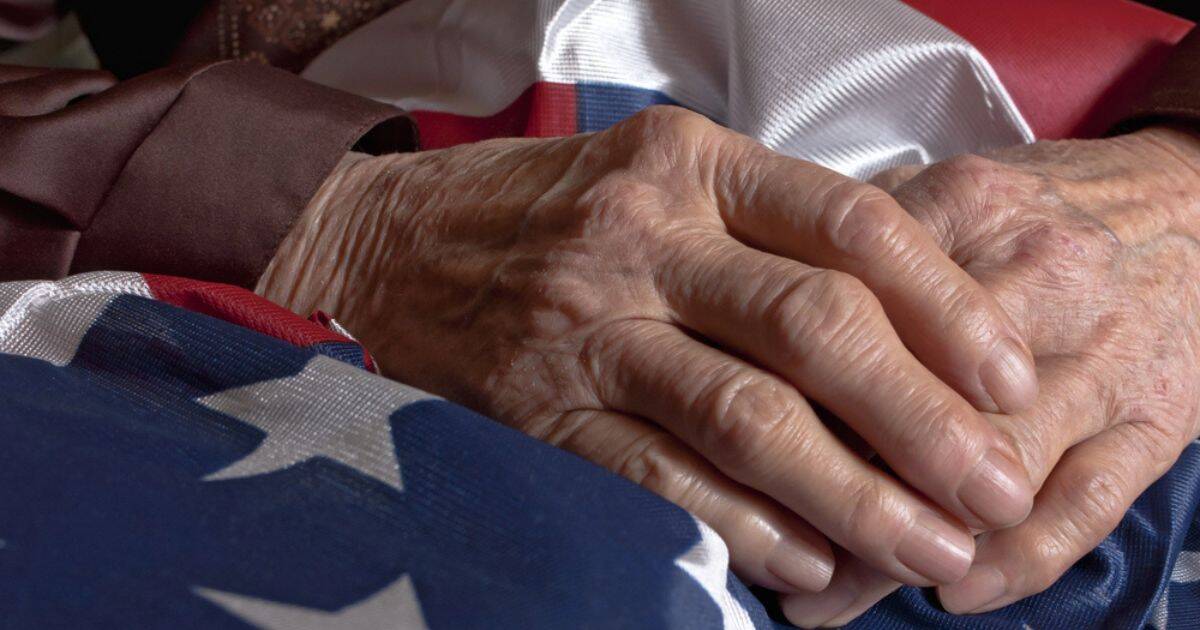
After years of service to your country, you've earned the right to choose where and how you age. For many Bay Area veterans, that choice is clear: staying at home, surrounded by family and familiar settings. Thanks to VA home care benefits, this decision isn't just possible. It's supported by comprehensive programs designed specifically for veterans who want to maintain their independence and dignity.
The VA offers multiple pathways for in-home care for veterans, from financial assistance to skilled nursing services. Whether you're dealing with service-related injuries, chronic conditions, or simply need help with daily activities, VA benefits can make aging at home a safe and sustainable option. This guide walks you through everything you need to know about VA home care programs, eligibility requirements, and how to access these well-deserved benefits right here in the San Francisco Bay Area.
Why Bay Area Veterans Deserve to Age in Place
Your military service came with sacrifices most civilians can't fully comprehend. You followed orders, adapted to challenging environments, and put your mission above personal comfort. Now, as you face the challenges of aging, you deserve the autonomy to decide where you receive care.
According to VA data, approximately 60% of veterans aged 65 and older live with two or more chronic health conditions. Many of these conditions stem directly from military service: injuries sustained in combat, exposure to environmental hazards, or the lasting effects of PTSD. These service-related health challenges make institutional care settings particularly unsuitable for many veterans. Rigid schedules, unfamiliar surroundings, and lack of understanding about military culture can trigger anxiety and worsen existing conditions.
Aging in place offers distinct advantages that extend beyond personal preference. Research shows that seniors who remain in their homes experience better mental health outcomes, maintain stronger family connections, and often enjoy greater physical stability. For veterans specifically, staying home means staying in control. You maintain your routines, your privacy, and your independence.
Here in the San Francisco Bay Area, veterans have access to exceptional local resources. The SF VA Medical Center and Palo Alto VA Health Care System both offer comprehensive geriatric services, care coordination, and benefits counseling. Combined with community-based care providers who understand veteran-specific needs, Alameda County veterans have the support system needed to age successfully at home.
Understanding VA Home Care Benefits for Veterans
The Department of Veterans Affairs offers multiple programs to support veterans aging at home. Each program serves different needs, and many veterans qualify for more than one benefit at the same time.
Homemaker and Home Health Aide (H/HHA) is the VA's primary program for non-medical in-home assistance. This program provides help with Activities of Daily Living (ADLs) and Instrumental Activities of Daily Living (IADLs). ADLs include bathing, dressing, eating, toileting, and transferring from bed to chair. IADLs cover meal preparation, housekeeping, medication management, transportation, and shopping. The VA pays providers directly through their Community Care Network, making this an accessible option for qualifying veterans.
Aid and Attendance takes a different approach by providing a monthly tax-free benefit you can use to pay for care however you choose. Veterans can receive up to $1,794 per month, married veterans get $2,127, and surviving spouses receive $1,153. This financial benefit adds to your basic pension amount and gives you flexibility in choosing personal care services that match your specific needs.
Veteran-Directed Care puts you in complete control of your care budget. Through this self-directed program, you hire, train, and manage your own caregivers, including family members if you choose. The VA allocates funds based on your assessed needs, and you determine how those funds are spent. Caregivers typically earn between $8 and $21 per hour depending on location and care complexity.
Skilled Home Health Care brings medical services directly to your home. VA-employed nurses, therapists, and other healthcare professionals provide wound care, physical therapy, medication management, and other clinical services. This program works in coordination with your VA primary care physician to address medical needs that would otherwise require facility-based care.
The Caregiver Support Program specifically assists veterans with service-connected disabilities rated at 70% or higher. This program provides stipends to family caregivers, comprehensive training, respite care, mental health services, and ongoing support. The goal is to enable family members to provide quality care while maintaining their own health and wellbeing.
These programs work together to create a comprehensive support system. You might receive Aid and Attendance to pay for daily care assistance, Skilled Home Health Care for medical needs, and Caregiver Support to help your spouse manage the demands of caregiving. Your VA care coordinator helps identify which combination of programs best serves your situation.
Key Takeaway
You can qualify for multiple VA home care programs simultaneously. Many veterans receive Aid and Attendance for daily care costs, Skilled Home Health Care for medical needs, and Caregiver Support to help family members. Your VA care coordinator will identify which combination best serves your situation.
Who Qualifies for VA Home Care Benefits
Understanding VA home care eligibility requires looking at three key factors: VA health care enrollment, community care qualification, and clinical need. All three must be met to access most programs.
VA Health Care Enrollment
Before receiving any VA home care services, you must be enrolled in the VA health care system. The VA assigns enrollees to priority groups based on service-connected disabilities, income, and other factors. Veterans with service-connected disabilities receive higher priority and typically pay lower or no copayments. If you haven't enrolled yet, you can apply online at VA.gov, call (877) 222-VETS, or visit your local VA Medical Center. You'll need your DD-214 form and basic income information.
Community Care Qualification
The VA MISSION Act of 2018 significantly expanded access to community care, which includes services from non-VA providers like HomeAide Home Care. You qualify for community care if you meet specific criteria: the VA can't provide the care you need, you'd have to wait too long for a VA appointment, you'd have to travel too far to reach VA facilities, or it's in your best medical interest to receive care in your community. For home care services in Alameda County, community care qualification often depends on whether the VA can provide sufficient hours of in-home assistance to meet your documented needs.
Clinical Need Demonstration
This is where your specific care requirements come into play. The VA evaluates clinical need through a comprehensive geriatric assessment conducted by VA healthcare providers. You demonstrate clinical need by meeting one of these criteria:
You require assistance with three or more Activities of Daily Living, OR you have significant cognitive impairment that affects your safety at home, OR you need help with two ADLs plus at least two of the following conditions: dependence on three or more IADLs, age 75 or older, clinical diagnosis of depression, living alone without a caregiver, recent or upcoming discharge from a nursing facility, or high medical service utilization (defined as three or more hospitalizations or 12 or more outpatient visits in the past year).
Application Tip
Be thorough and honest during your geriatric evaluation. Many veterans understate their care needs out of habit or pride, which can prevent you from receiving the full support you qualify for. Document your most difficult days, not your best ones, to ensure an accurate assessment of your needs.
Service-connected disabilities carry significant weight in the eligibility process. If your care needs stem from a service-connected condition, you receive priority access and reduced or eliminated copayments. However, you don't need a service-connected disability to qualify for home care benefits. Many veterans with non-service-connected conditions receive full benefits based on age, income, and clinical need.
Disability ratings impact which programs you can access and how much you pay. A 70% or higher service-connected disability rating opens access to the Caregiver Support Program's family caregiver stipends. Veterans rated at 50% or higher typically receive cost-free services. Those with lower ratings or no service-connected disabilities may have copayments, though financial hardship waivers exist.
Age considerations matter as well. Veterans 75 and older automatically meet one of the clinical need factors, which can tip eligibility in your favor even if other criteria are borderline. This recognizes that advanced age brings unique vulnerabilities and care requirements.
Surviving spouses may also qualify for certain benefits. The Aid and Attendance benefit extends to surviving spouses of wartime veterans, providing $1,153 monthly to help cover care costs. However, the Homemaker and Home Health Aide program remains veteran-specific.
Aid and Attendance: Monthly Financial Support for Veteran Care
Among VA home care benefits, Aid and Attendance stands out for its flexibility and substantial financial support. This monthly tax-free benefit helps pay for companion care and other assistance services, whether you receive care at home, in assisted living, or in a nursing home.
The monthly payment amounts for 2025 are $1,794 for a veteran living alone, $2,127 for a married veteran, and $1,153 for a surviving spouse. These amounts add to your basic VA pension if you're already receiving one. The VA calculates your benefit by subtracting your countable income from the maximum allowable pension rate, so your actual payment depends on your specific financial situation.
Eligibility for Aid and Attendance requires meeting several criteria. You must have served at least 90 days of active duty during a wartime period (which includes conflicts from World War II through current operations). You must be age 65 or older, or permanently and totally disabled. Discharge must be under conditions other than dishonorable. Most importantly, you must need regular assistance with at least two Activities of Daily Living: bathing, dressing, eating, toileting, or transferring.
The VA also imposes income and net worth limits, though these are relatively generous. As of 2025, the net worth limit is approximately $150,000 excluding your primary residence. The VA looks at your household income minus unreimbursed medical expenses, which often significantly reduces your countable income and increases your benefit.
How you use Aid and Attendance funds is entirely your choice. Many veterans hire private home care agencies to provide daily assistance with personal care, meal preparation, and household tasks. Others use the benefit to offset assisted living costs or to compensate family caregivers informally. The VA doesn't restrict which providers you choose, though they must meet basic licensing and safety requirements.
The application timeline typically runs three to six months from submission to approval. While this may seem lengthy, approved benefits are backdated to your application date, so you won't lose those months of support. The ongoing monthly payment makes the wait worthwhile, especially when you consider that $1,794 per month covers significant care costs over time.
How to Apply for VA Home Care Benefits: Step-by-Step
Accessing VA home care benefits requires several steps, but the process is straightforward when you know what to expect. Here's the complete pathway from application to receiving care.
Step 1: Enroll in VA Health Care
If you're not already enrolled in the VA health care system, this is your starting point. Visit VA.gov and complete Form 10-10EZ online, call the VA Health Benefits Hotline at (877) 222-VETS, or schedule an appointment at your local VA Medical Center to apply in person. You'll need your DD-214 discharge papers, information about your military service dates, current insurance coverage details, and household financial information. Processing typically takes one to two weeks, though urgent cases can be expedited.
Step 2: Schedule a Geriatric Evaluation
Once enrolled, contact your VA primary care physician and request a geriatric evaluation. This comprehensive assessment examines your physical health, cognitive function, mental health, living environment, and care needs. The evaluation team documents how many ADLs and IADLs you need assistance with, which directly determines your eligibility for home care programs. Scheduling the evaluation typically takes two to four weeks depending on demand at your facility. Be honest and thorough during this assessment. Many veterans understate their care needs out of pride or habit, but accurate reporting determines what support you can receive.
Step 3: Obtain a Physician Order
Based on your geriatric evaluation results, your VA doctor will issue an order for home care services if you meet the clinical criteria. This order specifies the type of care needed (personal care, skilled nursing, etc.) and the recommended frequency (hours per week or month). The physician order becomes the foundation for your care authorization.
Step 4: Work with Your VA Caseworker
The VA assigns you a care coordinator or caseworker who develops your personalized care plan. This professional explains which programs you qualify for, helps you understand your options, coordinates between different VA departments, and assists with the authorization process. Your caseworker serves as your primary VA contact, so build a good relationship and communicate your preferences clearly.
Step 5: Choose Your Home Care Provider
For services delivered through the VA Community Care Network, you select from approved providers in your area. Look for agencies with veteran-specific experience, understanding of military culture and service-related conditions, respite care services for family caregiver relief, local presence in your Bay Area community, and proper licensing and credentials. HomeAide Home Care has served Alameda County veterans since 1998, offering free VA Aid & Attendance application assistance and caregivers trained in veteran-specific care needs.
Required Documents
Gather these materials before starting your application: DD-214 (Certificate of Release or Discharge from Active Duty), marriage certificate if applying for spousal benefits, death certificate if you're a surviving spouse, recent medical records documenting your care needs, financial documents including bank statements and income records for Aid and Attendance, and written statements from physicians about your functional limitations.
Timeline Expectations
From start to finish, expect the following: initial VA health care enrollment takes one to two weeks, geriatric evaluation scheduling takes two to four weeks, care authorization processing takes one to three weeks, and Aid and Attendance applications take three to six months but are backdated to your application date. The total process for home care services typically runs one to three months, though urgent situations can be expedited.
Important Timeline Note
Aid and Attendance applications take 3-6 months to process, but approved benefits are backdated to your application date. Don't delay applying while you're still able to manage independently. Start the process early so financial support is in place when you need it most.
What If You're Denied
Denials happen, but they're not final. You can request reconsideration by providing additional medical documentation, file a formal appeal through the VA appeals process, work with a Veterans Service Officer (VSO) who can identify gaps in your application and help you reapply, or contact your local VA Patient Advocate for assistance. VSOs are available free of charge through organizations like the VFW, American Legion, and Disabled American Veterans, as well as through county veterans affairs offices.
Bay Area Resources
San Francisco Bay Area veterans have excellent local support for this process. Contact the SF VA Medical Center at (415) 221-4810 or the Palo Alto VA Health Care System at (650) 493-5000 for benefits counseling. Alameda County Veterans Service Officers provide free application assistance at county offices throughout the region. Don't hesitate to use these resources. They exist specifically to help you access the benefits you've earned.
Local VA Resources
SF VA Medical Center
Phone: (415) 221-4810
Benefits counseling, geriatric services, care coordination
Palo Alto VA Health Care System
Phone: (650) 493-5000
Comprehensive veteran services, enrollment assistance
Alameda County Veterans Service Officers
Free application assistance available throughout the county. Contact your local VA facility for the office nearest you.
Choosing a Veteran-Focused Home Care Provider in the Bay Area
Once you're authorized for VA home care benefits, choosing the right provider becomes your next important decision. The VA Community Care Network includes numerous agencies, but not all have equal experience serving veterans.
The Community Care Network represents the VA's partnership with qualified private providers. Under this system, veterans select from network agencies that meet VA standards. Depending on your authorization, the VA either pays the provider directly or reimburses you for approved expenses. This arrangement gives you significantly more choice and flexibility than relying solely on VA-employed staff.
When evaluating potential providers, prioritize veteran-specific experience. Ask how many veterans the agency currently serves and how long they've been providing veteran care. Agencies with dedicated veteran programs understand the unique challenges you face and can better accommodate service-related conditions.
PTSD-informed care should be standard, not special. Your caregivers need training in trauma-sensitive approaches, understanding of common PTSD triggers, de-escalation techniques, and recognition of when to involve mental health professionals. Well-intentioned caregivers without this training can inadvertently cause distress or damage trust.
Local Bay Area presence matters more than you might think. Providers familiar with SF VA Medical Center and Palo Alto VA Health Care System procedures can coordinate more effectively with your VA care team. They know which local services are available, understand regional veteran demographics, and have established relationships with VA caseworkers.
Other key factors include 24/7 availability for staffing coordination and emergencies, valid Home Care Organization license in California, comprehensive background checks and caregiver screening, registered nurse oversight of care plans, and experience with VA authorization and billing processes.
Questions to ask potential providers during your evaluation: How many of your current clients are veterans? Do all caregivers receive veteran-specific training before their first assignment? What's your protocol if a caregiver encounters PTSD symptoms or combat-related trauma responses? How do you coordinate with VA facilities and caseworkers? What's your process for matching caregivers with veteran clients? Can you provide references from other Bay Area veteran families?
HomeAide Home Care brings specific advantages to veteran care in Alameda County. Founded in 1998 by Melissa Neylan, LVN, the agency offers 25+ years of experience serving local families. HomeAide provides free assistance with VA Aid and Attendance applications, helping you access the financial benefits you've earned. Caregivers receive training in veteran-specific needs and trauma-informed care approaches. The agency maintains direct coordination with SF VA Medical Center and Palo Alto VA facilities, streamlining your care management. As a family-owned operation rather than a corporate franchise, HomeAide delivers personalized attention and continuity of care.
The provider you choose becomes an integral part of your daily life. Take time to interview multiple agencies, meet potential caregivers, and verify credentials. Your comfort and trust matter as much as technical qualifications.
Supporting Family Caregivers of Veterans
Many veterans rely initially on spouses, adult children, or other family members for daily assistance. While this arrangement can work well, family caregiving carries significant physical and emotional costs that shouldn't be underestimated.
Statistics paint a sobering picture of caregiver burden. Family caregivers of veterans average more than 40 hours per week providing care, often while managing their own employment and family responsibilities. The physical demands of assisting with bathing, transferring, and mobility can lead to injuries, particularly for older spouse caregivers. Emotional stress from witnessing a loved one's decline, managing challenging behaviors, and sacrificing personal time contributes to depression and anxiety in up to 40% of family caregivers.
Respite care provides temporary relief that's not just nice to have. It's medically necessary. Short-term professional care gives family caregivers breaks to rest, attend to their own health needs, maintain social connections, and prevent burnout. Respite can be scheduled regularly (a few hours each week) or intermittently (occasional longer breaks for vacations or emergencies). Both the VA and private agencies like HomeAide offer respite services specifically designed to support family caregivers.
The VA Caregiver Support Program provides comprehensive assistance to family members caring for veterans with service-connected disabilities rated at 70% or higher. Benefits include a monthly stipend to compensate for caregiving work (amounts vary based on the veteran's care needs and local wage rates), health insurance if the caregiver doesn't have coverage, mental health services and counseling, respite care to provide regular breaks, and caregiver training on proper techniques for personal care, transfers, and medical tasks. Call the Caregiver Support Line at (855) 260-3274 to determine eligibility and apply.
Veteran-Directed Care offers another option for supporting family caregivers financially. Through this self-directed program, veterans hire family members as paid caregivers at rates typically ranging from $8 to $21 per hour. You control the hiring, scheduling, and management while the VA provides the budget. This arrangement compensates family members fairly while maintaining the comfort of receiving care from loved ones who understand your needs.
Bay Area family caregivers have access to exceptional local resources. VA Caregiver Support Coordinators at SF VA Medical Center and Palo Alto VA provide individualized assistance, benefits counseling, and ongoing support. Family Caregiver Alliance, headquartered in San Francisco, offers nationwide resources including support groups, educational programs, and respite services. Local support groups throughout Alameda County connect caregivers with others facing similar challenges.
If you're a family caregiver, prioritize your own health as vigorously as you prioritize your veteran's wellbeing. Accept help when offered, use respite services regularly, connect with other caregivers who understand your experience, and maintain your own medical care and social relationships. Your veteran needs you healthy and resilient, which means caring for yourself isn't selfish. It's necessary.
Home Modifications to Help Veterans Age in Place Safely
Professional care addresses only one component of aging safely at home. Physical modifications to your living environment can prevent injuries, improve accessibility, and increase independence. The VA offers grants specifically for home improvements.
Specially Adapted Housing (SAH) Grant provides up to $109,986 for major modifications or new construction. This grant serves veterans with specific severe service-connected disabilities: loss or loss of use of both legs at or above the knee, loss or loss of use of both arms at or above the elbow, blindness in both eyes with 20/200 visual acuity or less, or certain combinations of these disabilities. You can use the grant to build a new adapted home, modify an existing home, or help a family member adapt their home if you'll live there.
Special Housing Adaptation (SHA) Grant offers up to $21,998 for modifications and serves a broader group of veterans. Eligibility includes loss or loss of use of both hands, certain severe burn injuries, or blindness in both eyes with visual acuity of 5/200 or less. This grant typically funds bathroom modifications, kitchen adaptations, entrance ramps, and doorway widening.
Home Improvements and Structural Alterations (HISA) grant provides up to $6,800 for veterans with service-connected disabilities or up to $2,000 for those with non-service-connected disabilities. This program covers smaller-scale improvements like grab bar installation, roll-in shower conversion, stair lifts, improved lighting systems, and other modifications that improve accessibility and safety.
Common modifications that benefit aging veterans include wheelchair ramps at entrance points and widened doorways throughout the home, walk-in showers with built-in seating and multiple grab bars, stair lifts or residential elevators for multi-story homes, enhanced lighting particularly on stairs and in bathrooms, lowered countertops and cabinets in kitchens and bathrooms, lever-style door handles that don't require grip strength, and non-slip flooring in high-risk areas.
Fall prevention deserves special attention since falls represent the leading cause of injury-related deaths in older adults. Remove all throw rugs and secure carpeting edges. Install grab bars not just in the shower but also next to toilets and along hallways. Improve lighting throughout your home, especially in transition areas between rooms. Keep frequently used items at accessible heights to avoid reaching or climbing. Clear pathways of furniture, electrical cords, and clutter. Use assistive devices like walkers or canes as recommended by your physician or physical therapist, and don't let pride prevent their use.
Technology and telehealth expand your ability to manage health conditions at home. VA Video Connect enables virtual appointments with your VA healthcare providers, reducing travel burden for routine check-ins. Medical alert systems provide emergency response access with a button press. Automated medication dispensers remind you when to take medicines and can alert caregivers if doses are missed. Smart home devices can control lighting, thermostats, and door locks through voice commands, reducing the need to walk through your home in darkness or repeatedly stand and sit.
When planning home modifications in the Bay Area, work with contractors experienced in VA grant requirements. Your local VA facility can provide referrals to approved contractors familiar with the application and reimbursement process. Many modifications require approval before work begins, so consult with your VA benefits coordinator before hiring contractors.
Taking the Next Step: Your VA Home Care Journey Starts Today
Your years of service to this nation earned you more than gratitude. They earned you tangible benefits designed to support your wellbeing as you age. VA home care programs exist because veterans like you sacrificed personal comfort, safety, and time with loved ones to fulfill a larger mission. These aren't handouts or charity. They're the fulfillment of our country's commitment to those who served.
Aging at home with dignity and independence is achievable. The combination of professional veteran care services, VA financial benefits, and home modifications creates a support system that respects your autonomy while addressing your care needs. Whether you need a few hours of assistance each week or comprehensive daily support, VA programs can make it happen.
Don't wait to seek the help you've earned. The application process takes time, but benefits are backdated to your application date. The sooner you start, the sooner you'll receive the support that makes aging at home sustainable. Thousands of Bay Area veterans are successfully aging in place right now thanks to these benefits. You can too.
You're not alone in this journey. VA caseworkers, Veterans Service Officers, local support organizations, and experienced home care providers throughout Alameda County stand ready to help you access and maximize your benefits. Our community recognizes your service and commits to supporting you through this next phase of life.
Get Your Free Veteran Care Consultation Today
HomeAide Home Care has served Bay Area veterans and their families since 1998. Our experienced care team understands the unique needs veterans face and can help you understand VA benefits, including free Aid and Attendance application assistance. We work directly with SF VA Medical Center and Palo Alto VA Health Care System to coordinate your care seamlessly.
Call (510) 247-1200 to speak with a veteran care specialist, or contact us online to schedule your free consultation. We're nurse-owned, family-operated, and available 24/7 to support your independence and dignity at home.
Your service to this country deserves to be honored with the support you need to age on your terms, in your home, with your independence intact. Let us help make that happen.
Frequently Asked Questions
Can veterans get free home care?
Yes, veterans enrolled in VA health care can receive free home care services through the Homemaker and Home Health Aide (H/HHA) program. The first 21 days of care are completely free, and after that, eligible veterans pay a maximum copayment of $15 per day. Veterans who qualify based on service-connected disabilities, limited income, or certain priority groups may receive all care at no cost. The VA covers personal care assistance with bathing, dressing, meal preparation, medication reminders, and light housekeeping.
Does the VA pay for in-home caregivers?
Yes, the VA offers multiple programs that pay for in-home caregivers. The Aid and Attendance benefit provides monthly payments of $1,794 for a single veteran, $2,127 for a married couple, or $1,153 for a surviving spouse to help cover caregiver costs. The Veteran-Directed Care Program allows veterans to hire their own caregivers, including family members, and pays between $8 and $21 per hour depending on the services provided. The VA Caregiver Support Program also provides stipends for family caregivers of veterans with qualifying service-connected disabilities.
How much does the VA pay for in-home care?
VA payment amounts vary by program. The Aid and Attendance benefit provides $1,794 per month for single veterans, $2,127 for married couples, and $1,153 for surviving spouses. Through the Veteran-Directed Care Program, caregivers earn $8 to $21 per hour. The Homemaker and Home Health Aide program is free for the first 21 days, then requires a maximum copayment of $15 per day. Payment amounts depend on your eligibility, disability rating, income level, and which program you qualify for.
Who is eligible for the veterans home care program?
Veterans must meet three criteria for H/HHA eligibility: enrollment in VA health care, qualification for community care, and demonstrated clinical need. Clinical need is shown by requiring help with three or more activities of daily living (bathing, dressing, eating, toileting, transferring), having significant cognitive impairment, or needing help with two ADLs plus two other conditions like being age 75 or older, living alone, or having clinical depression. Veterans with service-connected disabilities, those age 65 and older, or those in certain VA priority groups have the best chances of qualifying.
How do I apply for VA home care benefits?
Start by enrolling in VA health care if you're not already enrolled. Contact your local VA Medical Center to schedule a geriatric evaluation where a VA physician will assess your care needs and determine eligibility. The physician will provide an order for home care services if you qualify. You'll then work with a VA caseworker who helps coordinate services and connect you with approved home care providers in the VA Community Care Network. The entire process typically takes 4 to 8 weeks from initial evaluation to receiving services.
What's the difference between Aid and Attendance and H/HHA?
The Homemaker and Home Health Aide (H/HHA) program provides direct care services through VA-approved home care agencies and requires you to meet specific ADL dependencies. Aid and Attendance is a monthly cash benefit that provides additional pension money you can use to pay for any type of care, including hiring private caregivers or paying family members. H/HHA focuses on daily personal care like bathing and dressing, while Aid and Attendance gives you flexibility to use funds for care coordination, assisted living costs, or home modifications. Many veterans qualify for both programs simultaneously.
Can the VA pay a family member to be a caregiver?
Yes, through the Veteran-Directed Care Program, veterans can hire and pay family members, friends, or neighbors to provide care services. Caregivers earn between $8 and $21 per hour depending on the level of care provided. The VA Caregiver Support Program also provides stipends to family caregivers of veterans who have serious service-connected disabilities rated at 70% or higher and need at least six months of personal care assistance. However, the standard Homemaker and Home Health Aide program only uses VA-approved agency caregivers, not family members.
What if I was denied VA benefits?
If your VA home care application is denied, you have the right to appeal the decision. Request a detailed explanation of why you were denied and what additional documentation might help. You can file a Supplemental Claim with new evidence, request a Higher-Level Review by a senior VA official, or appeal to the Board of Veterans' Appeals. Contact a Veterans Service Officer (VSO) from organizations like the VFW or American Legion for free help with your appeal. Many denials are due to incomplete medical documentation or missing eligibility criteria that can be corrected and resubmitted.
Does the VA cover care for my spouse?
Yes, spouses of eligible veterans can receive benefits through several programs. Married veterans receive higher Aid and Attendance payments ($2,127 per month compared to $1,794 for single veterans) that can be used for either spouse's care needs. Surviving spouses of deceased veterans who served during wartime may qualify for their own Aid and Attendance benefit of $1,153 per month. Some VA home care programs extend coverage to include spouse care when the veteran is the primary beneficiary. Check with your local VA to understand which programs cover your specific situation.
How long does VA home care approval take?
The approval timeline typically ranges from 4 to 8 weeks from your initial geriatric evaluation to receiving home care services. The process includes scheduling your evaluation (1 to 2 weeks), completing the assessment and getting a physician's order (1 week), VA review and approval (1 to 2 weeks), and coordination with a home care provider to start services (1 to 2 weeks). Aid and Attendance applications can take 3 to 6 months for approval due to financial verification requirements. Priority is given to veterans with urgent medical needs or those at risk of nursing home placement.